
Gel Wrap RFQs: Mark the Flat Shape Reference
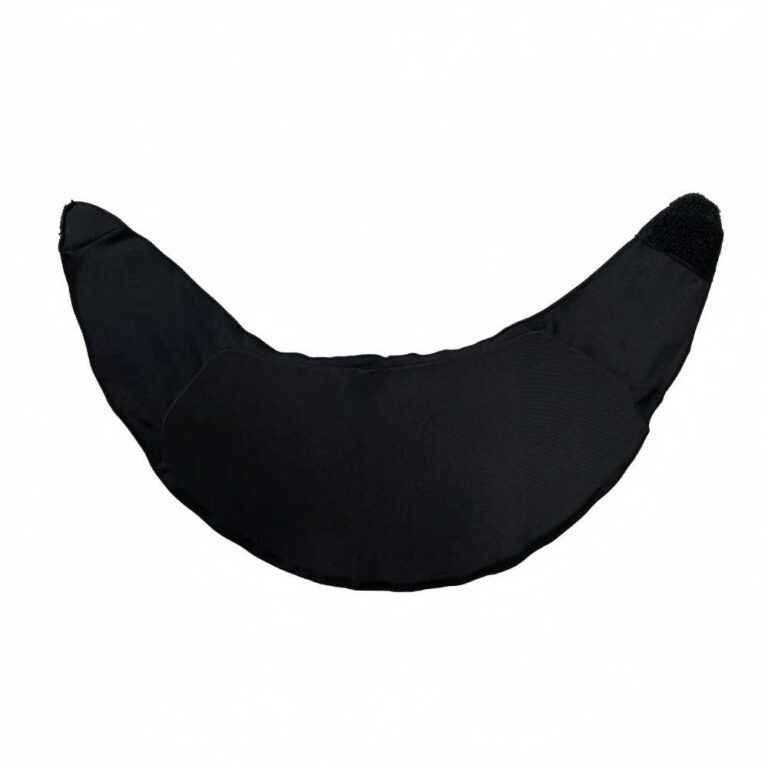
A gel wrap RFQ should identify the offered item, show its flat outline in a defined orientation and mark the ends or fastening areas the buyer wants reviewed. Link the view to one sample reference so that different photographs do not silently describe different versions. Yida Beauty’s neck-and-shoulder wrap page identifies item MN-GTHJ450 and shows a curved form. That catalogue identity is useful for purchasing communication, but a shape review does not establish fit, composition, effectiveness or safety.
Identify the item before comparing its outline
The word wrap covers several forms in Yida Beauty’s catalogue. Start the inquiry with the actual product URL and supplier item reference, then state which appearance the buyer intends to review. A curved outline should not be confused with another body-area product simply because both share a colour or a broad catalogue category. Keep the offered variant identifiable throughout the sample discussion.
Ask the supplier whether the photograph represents the actual version being offered. If it is a general catalogue example, request the corresponding sample reference before approving a product brief. Keep any proposed alternative separately labelled. This protects the purchasing discussion from an unnoticed substitution without treating a catalogue name as a complete physical specification.
Define what the flat reference means
A product can be shown open, folded or partly overlapped. Name the state requested for the comparison rather than asking for a flat image without explanation. The following fields are questions to agree with the supplier; they do not prescribe a particular product construction.
Reference field | Buyer request | Supplier confirmation
Item identity | Named product and selected variant | Offered item or sample code
Presentation state | How the sample should be shown | Condition of the photographed sample
Orientation | Which edge or end faces the camera | Consistent direction on the returned view
Outer outline | Visible boundary being compared | Marked full-product photograph
End details | Areas requiring a closer reference | Detail views of that same sample
Fastening area | Whether a visible area needs identification | Component description for the offered version
Keep overall shape and close details connected
Request a full view that shows the complete outline before reviewing a close detail of an end or fastening area. A close crop can be clear while leaving its position uncertain. Mark the relevant location on the full view and use the same sample identifier on the detail. If the supplier uses another version to explain an option, ask for that difference to be identified.
The catalogue photograph shows a dark curved item with extended ends. It does not show every surface or establish a measured outline. If a dimension is needed for the buyer’s product specification, request the measuring points and sample condition separately. Do not estimate dimensions from the image or assume that the photographed curve represents a confirmed fit for a particular person.
Describe the sample condition used for the comparison
Ask how the sample is presented when its outline is recorded. An appearance comparison becomes difficult if one image shows a naturally laid item and another shows a folded or otherwise differently arranged item. Record the supplier’s description of the view rather than inventing a preparation procedure. The buyer needs a shared reference for identification, not an unconfirmed instruction for using the product.
If the buyer requires information about a fastening component, ask the supplier to name it and identify its position in the offered version. Visible attachment areas do not establish adjustment range, retention performance or material composition. Keep those questions in separate fields if they matter to the purchase. A resolved outline question should not make unrelated fields appear approved.
Keep catalogue functions outside the shape sign-off
Product descriptions can include use-related or performance wording alongside basic identification details. For this sample decision, record only the agreed identity, view and visible shape reference. Any requirement involving composition, temperature conditions, durability, intended use or other functional information needs its own applicable supplier documentation. Do not turn a visual approval into a broader assurance that has not been established.
The buyer’s sample record should state what was actually reviewed. It can confirm that the returned view corresponds to the selected item without claiming a therapeutic effect or a safety result. Keep any requested product information separate from the appearance decision and leave unanswered questions visible before commercial confirmation.
Use the same reference when the offer changes
Retain the selected URL, item reference, full outline view and marked details together. When a supplier proposes a revised version, identify which visible fields change and request a corresponding reference. On a repeat inquiry, ask whether the same sample identity remains applicable. An unchanged dark product photograph is useful for recognition but does not confirm every detail of a later offer.
• Identify the actual item before discussing a shared category name.
• Define the view and orientation used for the outline reference.
• Connect end details to the same full-product sample.
• Keep performance, composition and safety questions separate from appearance approval.
Frequently asked questions
Does the curved photograph confirm the product’s fit?
No. It is a product-shape reference. Any fit requirement needs a separate applicable specification and supplier confirmation.
Can two dark wraps be treated as the same item?
Use their actual product references and supplier identifiers. Colour or a shared catalogue category does not establish the same offered version.
Should a close-up replace the full outline photograph?
Keep both together. The full view connects the detail to a position and an identified sample.
Does approving the visible shape approve product performance?
No. The shape decision covers the agreed visual reference only. Other requirements remain separate confirmation questions.
Product and contact references
Yida curved wrap product reference: https://yidabeauty.com/product/product-6/
Yida foot-shaped wrap catalogue reference: https://yidabeauty.com/product/product-3/
Yida body-film packaging catalogue reference: https://yidabeauty.com/product/camellia-moisturizing-wearable-body-film/
Contact Yida Beauty: https://yidabeauty.com/contact/
Yida Beauty blog: https://yidabeauty.com/blog/